In the high-performance fitness world of 2026, the wheat has been separated from the chaff. While “No Pain, No Gain” used to be the only rule, modern athletes now know: the true champion is built during recovery.

When you push your lungs to the limit on the AssaultBike or the AssaultRunner, you are only delivering the blueprint. The building itself is constructed while you sleep.

This comprehensive guide analyzes the synergistic relationship between maximum effort and deep recovery. We show you how to optimize your sleep and recovery phases so that every second on Assault Fitness equipment is converted into measurable progress.

The Physiology of Stress: What Happens in the Body?

To understand why recovery is so critical, we need to look at what a workout on an AssaultBike Elite does to your body physiologically. It is a controlled attack on your body’s homeostasis.

Microtrauma and Inflammatory Response

With every intense sprint, microscopic tears occur in the Z-discs of your muscle fibers. This triggers a necessary inflammatory response.

Your immune system sends macrophages to the “construction site” to remove damaged tissue. Without sufficient recovery time, this acute, productive inflammation turns into chronic stress that undermines your performance in the long term.

The Hormonal Axis

High-intensity training releases adrenaline and cortisol. This is beneficial for performance, but catabolic for muscle tissue.

Only during recovery does the body switch into anabolic mode. The ratio of testosterone to cortisol is the most important indicator of your training status.

A chronic lack of recovery disrupts this ratio—you lose muscle mass and store fat despite intense training.

Sleep: The Most Important Performance Tool in 2026

Sleep is no longer simply the absence of activity, but a highly active neurochemical process.

Anyone who sleeps less than seven hours is actively sabotaging their own body.


The Architecture of the Night

An optimal sleep cycle consists of several phases, each fulfilling different functions for athletes:

Light sleep (N1 & N2)
Accounts for about 50% of the night. Heart rate begins to drop and muscles start to relax.

Deep sleep (Slow Wave Sleep – SWS)
This is the “physical workshop.” Growth hormone (HGH) is released in maximum amounts.

Cell repair, bone growth, and immune system regeneration take place almost exclusively here.

REM sleep (Rapid Eye Movement)
The “mental workshop.” Motor skills are consolidated here.

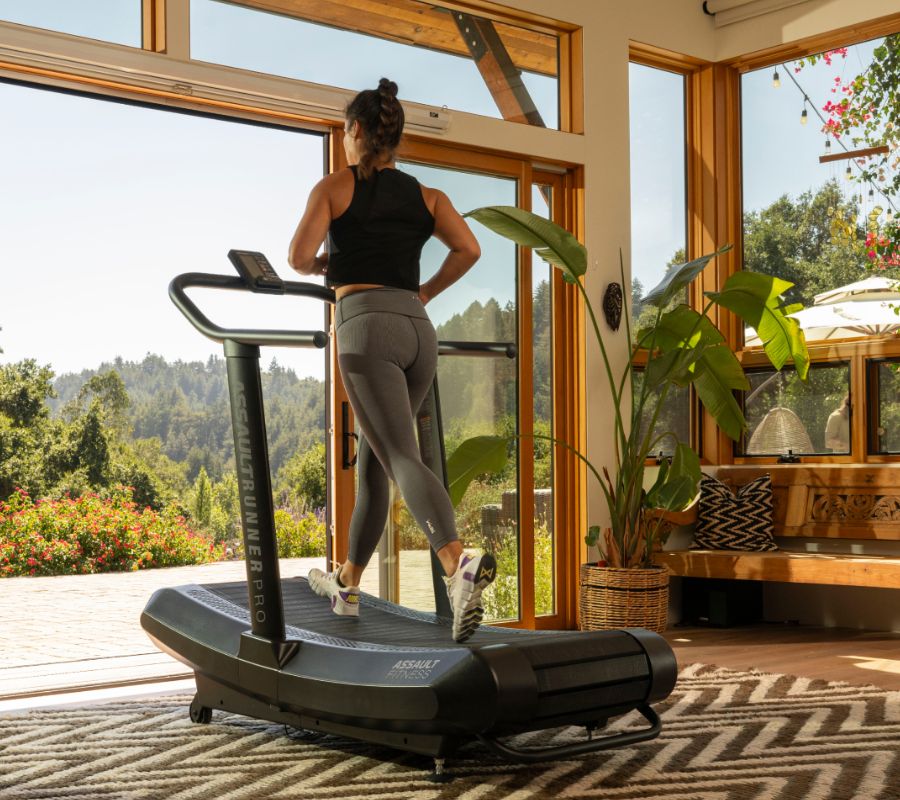
If you are working on your running technique on the AssaultRunner Pro, your brain stores these movement patterns during REM sleep.


Sleep Deprivation and Injury Risk

Studies in 2026 clearly show: athletes who regularly sleep less than 8 hours have a 60% higher risk of injury.

Fatigue leads to micro-delays in neuromuscular activation—a critical factor during high-intensity intervals.

Active Recovery: Why Movement Accelerates Healing

A common misconception is that rest days should be completely inactive. Modern sports science recommends the opposite: active recovery.


The Advantage of Air Resistance Systems

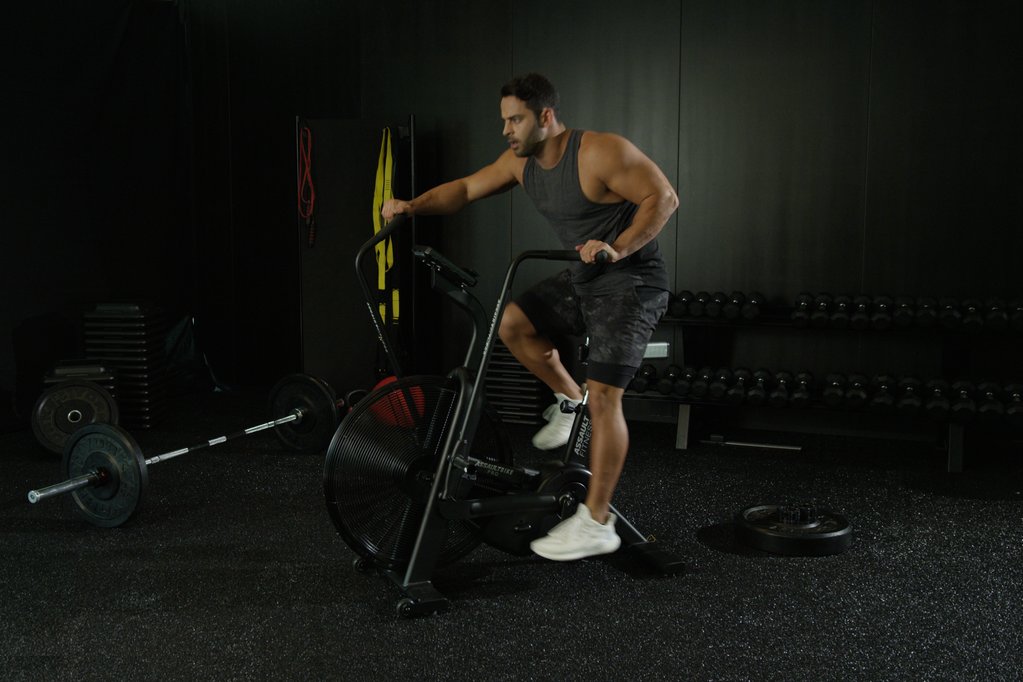
Devices like the AssaultBike Classic are ideal for active recovery. Why?

No eccentric load
Since resistance is generated by air, there is no reversal phase where weight stretches the muscle (as when lowering a dumbbell).

This means: maximum blood flow without additional muscle damage.

Activation of lymphatic flow
The lymphatic system has no pump of its own (like the heart). It relies on muscle contraction.

Light pedaling efficiently removes metabolic waste products (such as lactate and dead cellular material).

Vagus nerve stimulation
Light, rhythmic movement at around 50–60% of maximum heart rate signals to the nervous system: “The danger is over.”

This initiates the shift from the sympathetic nervous system (fight mode) to the parasympathetic system (rest mode).

Nutrition as the Fuel of Recovery

You are not just what you eat—you are what you recover. Without the right building blocks, training remains an empty stimulus.

Glycogen Management

After a session on the AssaultRunner, your glycogen stores (carbohydrate reserves in muscles and liver) are depleted.

Today, professionals use “targeted carbohydrate periodization.” This means:

More carbohydrates after intense days, fewer on low-intensity days to maintain metabolic flexibility.

Protein Timing

The old rule of “30 minutes after training” still applies, but total intake is what matters most.

Target for Assault athletes: 1.6 to 2.2 grams of protein per kilogram of body weight.

Especially important is intake before sleep (e.g., casein) to maintain overnight protein synthesis.

Micronutrients and Anti-Inflammation

Magnesium: essential for over 300 enzymatic reactions, including muscle relaxation

Omega-3 fatty acids: reduce systemic inflammation and support heart health

Zinc: supports testosterone production and the immune system
Biohacking Strategies for 2026

To get the most out of “recovery & sleep – boosting performance,” athletes now use advanced methods:

Temperature Optimization

Thermoregulation is a powerful lever.

Contrast showers
Alternating between hot and cold promotes vascular constriction and dilation (“vascular shunting”), significantly accelerating leg recovery after running.

Sauna
Increases the production of heat shock proteins, which repair damaged cellular structures.

Light Hygiene

Blue light from screens is the enemy of melatonin.

Melatonin is not only a sleep hormone but also one of the body’s strongest antioxidants.

Protocol:
No screens 90 minutes before bed or use blue-light-blocking glasses.

Breathing Exercises and Meditation

Mental recovery is often underestimated. Psychological stress (work, daily life) uses the same biological resources as physical stress.

Those who learn to regulate their nervous system within minutes through targeted breathing techniques (e.g., box breathing) recover faster than someone who sits stressed in front of the TV in the evening

Monitoring: Making Progress Measurable

How do you measure recovery?

Heart Rate Variability (HRV)

HRV measures the time intervals between your heartbeats.

High variability means your autonomic nervous system is adaptive and ready for stress.

Low HRV indicates stress.

Key rule:
If your HRV in the morning is more than 10% below your weekly average, replace your planned interval training with 30 minutes of Zone 1 recovery on the AssaultBike.

Resting Heart Rate (RHR)

An increase in resting heart rate of more than 5 beats per minute over several days is a classic warning sign of overtraining.

Sleep and Nutrition: The Overlooked Interaction

Sleep and nutrition are not separate pillars of recovery, but a closely interconnected system. What and when you eat significantly determines how deep and restorative your sleep is—and therefore how effectively your body can recover.

A protein-rich evening meal, ideally with slow-digesting casein, continuously supplies your muscles with amino acids overnight and supports protein synthesis. At the same time, easily digestible carbohydrates in the evening can promote serotonin release, which serves as a precursor to melatonin and stabilizes the sleep-wake cycle.

Equally important is what you avoid: heavy, high-fat meals before bed strain digestion and can reduce deep sleep phases. Alcohol may help you fall asleep but worsens sleep quality and suppresses important REM phases. Caffeine, even hours after consumption, can delay sleep onset and negatively affect sleep architecture.

Modern athletes therefore view their last meal of the day as a strategic tool—not just for nutrition, but as a lever to put the body into an optimal recovery state and measurably improve sleep quality.

The Ideal Weekly Recovery Plan

Day — Training — Recovery Focus
Monday — HIIT interval training (AssaultBike) — focus on glycogen refill & 9h sleep
Tuesday — Strength training — magnesium intake & stretching
Wednesday — Active recovery — 20 min easy pedaling, sauna
Thursday — Endurance (AssaultRunner) — breathing exercises for stress reduction
Friday — Strength training — protein-rich diet, contrast showers
Saturday — Long session (Zone 2) — social activity, mental recovery
Sunday — Rest day — full light hygiene, sleep preparation

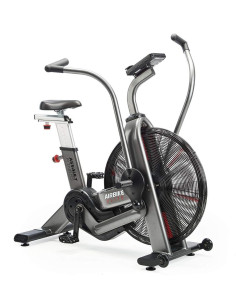
AssaultBike Elite

A3
12 Reviews
The Assault AirBike Elite takes interval training to the next level with its smooth operation, its ergonomic design and its extended console functions, which ensure an intensive, well-thought-out training experience. The almost limitless adaptability of this device gives the exerciser the opportunity to opt for an even training according to heart rate or...
CHF1,699.00

Conclusion: Become a Strategic Athlete

Recovery & sleep are not optional extras—they are the foundation of your fitness.

Without giving your body the necessary resources and time to rebuild, every workout on high-performance Assault Fitness equipment becomes nothing more than wear and tear.

If you treat sleep as part of your training plan, use active recovery on the bike, and align your nutrition with your workload, you will reach a level of performance that “hard work” alone can never achieve.

Victory is not decided in the gym alone—it is decided in the bedroom, in the kitchen, and in the quiet moments between sprints.

FAQ – Everything You Need to Know About Recovery

Can you recover too much?
No—but you can space your training stimuli too far apart. The goal is to apply the next stimulus at the peak of supercompensation.

Does sleep tracking really help?
Yes—if you use the data to change your behavior. Simply knowing you slept poorly is not enough—adjusting room temperature or light exposure is what matters.

What is the most important supplement for recovery?
After water and macronutrients, magnesium is crucial for most athletes, as requirements increase significantly due to sweating on the AssaultBike.

Comments (0)

No comments at this moment
Product added to wishlist
Product added to compare.